
Protein supplements for men have become increasingly popular among fitness enthusiasts, athletes, and individuals looking to improve muscle growth and recovery. From protein powders to ready-to-drink shakes, these supplements are commonly used to help meet daily protein requirements. However, many men wonder whether regular use of gym supplements can affect sperm count, fertility, or overall reproductive health.
As a urologist, one of the most common questions I receive is whether protein supplements are safe for men who are planning to start a family. The answer depends on the type of supplement being used, the ingredients it contains, and how it fits into an individual’s overall lifestyle and diet.
Do Gym Supplements Affect Sperm Count?
This is one of the most frequently asked questions among men who exercise regularly.
In general, standard protein supplements do not directly reduce sperm count. Most research suggests that quality protein powders, when consumed in recommended amounts, do not significantly affect fertility.
However, not all gym supplements are the same.
Some products may contain undisclosed ingredients, stimulants, or anabolic supplements that can interfere with the body’s natural hormonal balance. These products may pose a greater risk to reproductive health than protein itself.
The key concern is often the additional ingredients rather than the protein content.
What Are Protein Supplements?
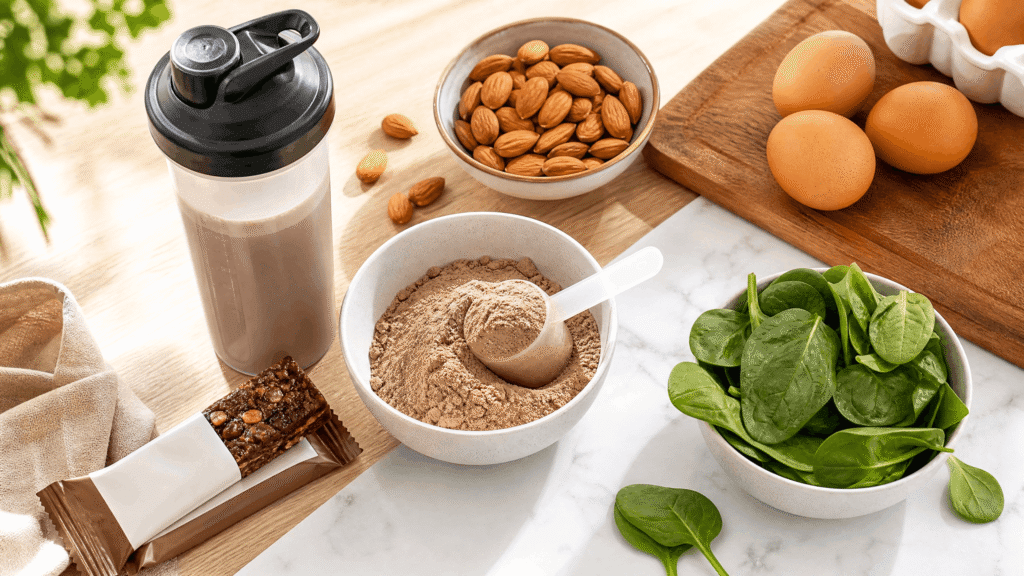
Protein supplements are nutritional products designed to help individuals meet their daily protein requirements when their regular diet does not provide enough protein. They are commonly used by people who exercise regularly, participate in sports, or have increased nutritional needs due to their lifestyle and fitness goals.
These supplements are available in convenient forms such as powders, shakes, bars, and ready-to-drink beverages, making it easier to increase protein intake throughout the day.
For most healthy adults, protein supplements should be viewed as a convenient addition to a nutritious and balanced diet rather than a replacement for whole-food sources of protein. A diet rich in natural protein sources, fruits, vegetables, healthy fats, and whole grains remains the foundation of good health.
Which Supplements May Impact Male Fertility?
While protein powders are generally considered safe, certain supplements marketed for rapid muscle growth deserve closer attention.
Some men’s testosterone supplements claim to boost testosterone levels and improve athletic performance. Although these products may help increase muscle mass, they can sometimes interfere with the body’s natural hormone production.
When hormone levels become artificially altered, sperm production may decrease.
Products marketed as protein shakes testosterone boosters should be approached with caution, especially by men who are actively trying to conceive.
In some cases, long-term use of hormone-enhancing products may contribute to fertility challenges.
Can Excessive Protein Intake Affect Fertility?
Protein is essential for health, but excessive consumption may not always provide additional benefits.
Very high protein intake over long periods may contribute to:
- Bloating
- Digestive discomfort
- Dehydration
- Nutritional imbalances
- Reduced intake of other essential nutrients
Current research does not show that high protein intake directly lowers sperm count in healthy men.
However, problems can arise when protein supplements replace balanced meals or when individuals focus exclusively on protein while neglecting other aspects of nutrition.
For men with existing kidney disease, excessive protein intake should be discussed with a healthcare professional.
Choosing reputable brands with transparent ingredient lists is always recommended.
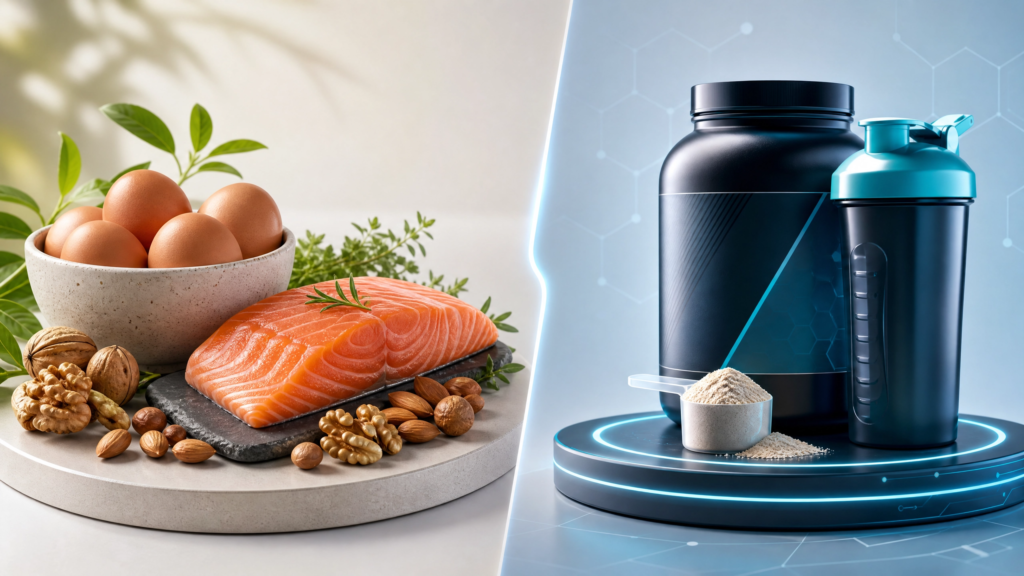
Whole Foods vs Protein Supplements
When it comes to nutrition, whole foods should remain the foundation of a healthy diet.
Protein-rich foods provide more than just protein. They also contain essential nutrients that support overall health.
Excellent protein sources include:
- Eggs
- Fish
- Chicken
- Turkey
- Greek yogurt
- Cottage cheese
- Lentils
- Chickpeas
- Tofu
- Nuts and seeds
Protein supplements can be helpful when:
- Daily protein goals are difficult to meet.
- Workout recovery needs increase.
- Busy schedules limit meal preparation.
- Additional protein is recommended by a healthcare professional.
Supplements should complement a healthy diet rather than replace it.
Can a Healthy Diet Improve Fertility?
Yes.
Male fertility depends on many factors, and nutrition plays a significant role.
A balanced diet supports hormone production, sperm development, and overall reproductive health.
Foods that may support fertility include:
- Fruits and vegetables rich in antioxidants
- Whole grains
- Fatty fish containing omega-3 fatty acids
- Nuts and seeds
- Lean protein sources
- Adequate water intake
In addition to proper nutrition, healthy lifestyle habits can further improve reproductive wellness.
These include:
- Regular physical activity
- Quality sleep
- Stress management
- Avoiding smoking
- Limiting excessive alcohol consumption
For some individuals, specialized male fertility supplements may be recommended after medical evaluation.
Is There an Ideal Age to Start Taking Protein Supplements?
There is no specific age at which protein supplements become necessary. The decision to use them depends on an individual’s nutritional needs, activity level, fitness goals, and overall health rather than age alone.
Young adults who engage in regular exercise or sports may use protein supplements to support muscle recovery and meet increased protein requirements. As men grow older, maintaining muscle mass becomes increasingly important, and some may find protein supplements helpful if they struggle to consume enough protein through food alone.
However, protein supplements are not essential for everyone. Many individuals can meet their daily protein needs through a balanced diet that includes protein-rich foods. Before starting any supplement, it is important to assess dietary habits, health conditions, and fitness objectives. If there are concerns about nutrition, kidney health, or fertility, consulting a healthcare professional can help determine whether supplementation is appropriate.

Conclusion
For most healthy individuals, protein supplements for men do not reduce sperm count when used appropriately. Protein is an important nutrient that supports muscle growth, recovery, and overall health. The greater concern comes from hormone-enhancing products, unregulated supplements, and substances that may interfere with the body’s natural hormonal balance.
A balanced diet, regular exercise, adequate sleep, and informed supplement choices are essential for maintaining both fitness and fertility. If you have concerns about reproductive health or supplement use, consulting a urologist can help ensure that your fitness goals and fertility goals remain aligned.
For more details visit Dr.M.Gopichand,urologist in yashoda hospital, somajiguda.
Can protein supplements increase testosterone levels?
Most standard protein supplements are not designed to increase testosterone levels. Their primary purpose is to help meet daily protein requirements and support muscle recovery. Any noticeable changes in testosterone are more likely related to overall fitness, diet, sleep, and lifestyle rather than protein supplementation alone.
Can protein supplements affect kidney health?
For healthy individuals, moderate protein supplementation is generally considered safe. However, people with existing kidney disease or impaired kidney function should consult a healthcare professional before significantly increasing their protein intake.
Can stopping protein supplements affect muscle mass?
Stopping protein supplements does not automatically cause muscle loss. As long as adequate protein is obtained from food sources and regular exercise is maintained, muscle mass can be preserved without supplementation.
Can dehydration affect sperm health?
Yes. Proper hydration is important for overall health, including reproductive function. Chronic dehydration may negatively affect several bodily processes, making adequate water intake an important part of a healthy lifestyle.