

Diabetes and blood pressure problems are among the leading causes of kidney damage worldwide. Many people live with high sugar levels and BP for years without realizing these conditions are slowly affecting their kidneys. Over time, this may lead to kidney disease, high blood pressure, reduced kidney function, and serious complications if left untreated.
The kidneys help filter waste, balance body fluids, regulate minerals, and control blood pressure. When diabetes and hypertension remain uncontrolled, the tiny blood vessels inside the kidneys begin to weaken. This increases the risk of diabetic kidney disease and other long-term kidney complications. Understanding the connection between hypertension and kidney disease can help patients take early action and protect kidney health.
How Diabetes and High Blood Pressure Damage the Kidneys
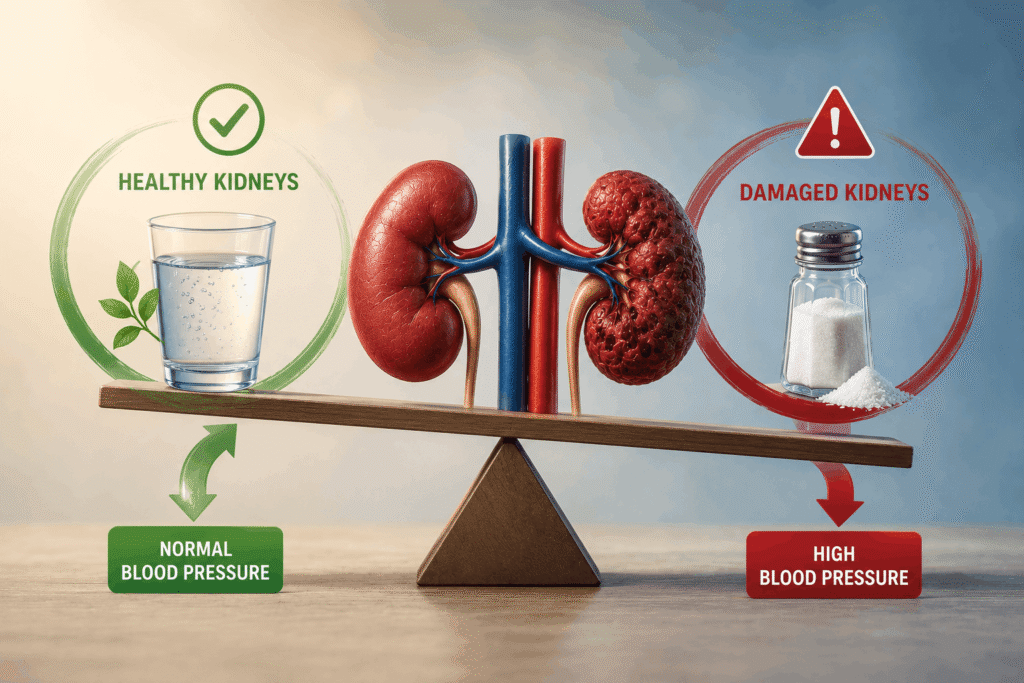
The kidneys contain millions of tiny filtering units called nephrons. High blood sugar damages these delicate blood vessels over time, making the kidneys work harder than normal. Slowly, the filtering ability decreases, and protein may begin leaking into the urine. This condition is commonly known as diabetic kidney disease.
At the same time, high BP puts excessive pressure on kidney blood vessels. Constant pressure damages the arteries and reduces healthy blood flow to the kidneys. Over time, this can cause scarring and permanent kidney damage. This is why kidney disease and high blood pressure is considered a serious condition that should never be ignored
Common Effects on the Kidneys
- Damage to kidney blood vessels
- Protein leakage in urine
- Reduced filtering capacity
- Fluid retention in the body
- Increased risk of kidney failure
Why Diabetes and BP Become More Dangerous Together
When a person has both diabetes and hypertension, the risk of kidney complications increases significantly. Diabetes weakens blood vessels internally, while high BP damages them through increased pressure. Together, they accelerate kidney damage and raise the chances of chronic kidney disease, heart disease, and stroke.
Many patients with uncontrolled diabetes and blood pressure problems may not notice symptoms during the early stages. This is why regular health screening is extremely important.
Health Risks Linked to Both Conditions
- Chronic kidney disease
- Heart disease
- Stroke risk
- Fluid imbalance
- Dialysis requirement
- Kidney failure and blood pressure complications
Early Signs and Symptoms of Kidney Damage
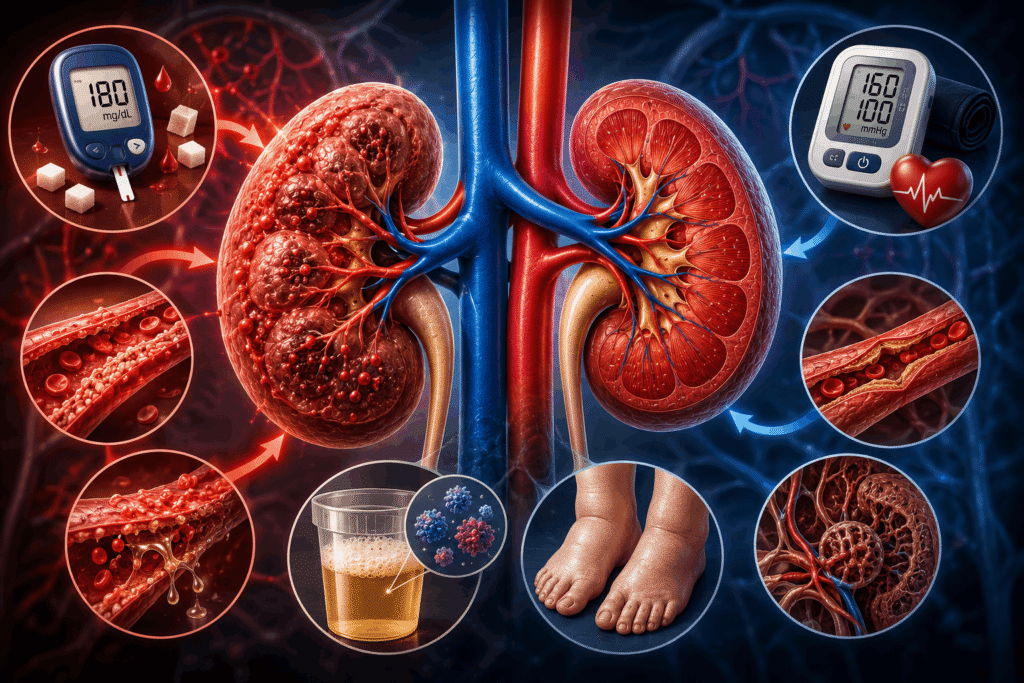
Kidney disease often develops slowly and silently. Some people may experience mild symptoms in the beginning, while others may not notice anything until kidney function becomes weaker.
Warning Signs You Should Not Ignore
- Swelling in legs or feet
- Foamy urine
- Frequent urination at night
- Fatigue and weakness
- Nausea or poor appetite
- Puffiness around the eyes
- Persistent high BP
People with kidney problems and blood pressure issues should never ignore these warning signs.
Understanding Hypertension and Kidney Disease
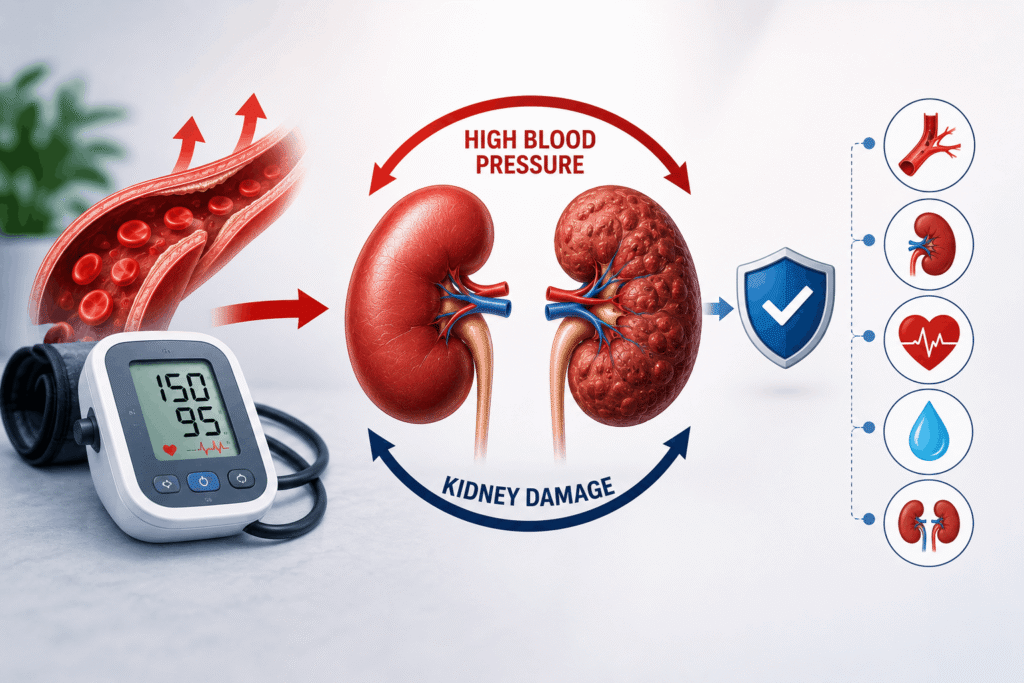
There is a strong relationship between hypertension and kidney disease. High BP damages the kidneys, and damaged kidneys can further increase BP levels. This creates a harmful cycle that worsens overall kidney health over time.
When kidney function decreases, the body struggles to balance fluids and sodium properly. This increases pressure inside blood vessels and places additional strain on the heart and kidneys.
Why BP Control Matters
Proper BP control helps:
- Protect kidney blood vessels
- Slow kidney damage progression
- Improve heart health
- Reduce fluid retention
- Lower the risk of kidney failure
Chronic Kidney Disease Due to Hypertension
One major cause of kidney damage is chronic kidney disease due to hypertension. Long-term uncontrolled BP slowly narrows kidney arteries and reduces blood supply to kidney tissues. As the kidneys receive less oxygen and nutrients, scarring develops, reducing their ability to function normally.
The danger with hypertension-related kidney disease is that symptoms may not appear until the damage becomes severe. Regular BP monitoring and kidney screening are essential for early diagnosis.
Can Kidney Damage Be Prevented?
In many cases, early kidney damage can be slowed or prevented with proper care. Lifestyle changes and medical management play an important role in protecting kidney health.
Important Prevention Tips
- Control blood sugar levels
- Monitor BP regularly
- Reduce salt intake
- Exercise regularly
- Maintain healthy body weight
- Drink enough water
- Avoid smoking and alcohol
- Follow medications properly
Patients with diabetes and blood pressure problems should focus on long-term lifestyle management to reduce kidney complications.
Can Kidney Problems Return Even After Control?
Yes, kidney problems can return if patients stop following healthy habits. Poor BP control, unhealthy eating, uncontrolled diabetes, smoking, and skipping medications may worsen kidney function again.
People with kidney problems and blood pressure concerns should understand that kidney care requires lifelong attention. Routine follow-ups and regular testing are important even after symptoms improve.
Kidney Failure and Blood Pressure Risks
Advanced kidney damage may eventually lead to kidney failure and blood pressure complications. When the kidneys fail, waste products and excess fluids begin building up inside the body. BP becomes harder to control, and patients may require dialysis treatment.
Signs of Advanced Kidney Disease
- Severe swelling
- Difficulty breathing
- Extreme fatigue
- Loss of appetite
- Reduced urination
- Uncontrolled BP
Early treatment can greatly reduce the risk of severe kidney failure.
Lifestyle Changes That Protect Kidney Health
Healthy daily habits can significantly improve kidney health and slow disease progression. A balanced diet rich in vegetables, fruits, whole grains, and lean proteins helps reduce stress on the kidneys.

Daily Habits That Help
- Walking or exercise regularly
- Eating fresh foods
- Sleeping properly
- Managing stress levels
- Staying hydrated
- Avoiding unnecessary painkiller use
Consistency is extremely important for protecting kidney function over time.
Advice From Gopichand M
According to me as a urologist Dr.Gopichand M, many cases of kidney damage caused by diabetes and BP can be prevented with early diagnosis and disciplined lifestyle habits. He advises patients to monitor sugar and BP regularly, follow medications consistently, and never ignore symptoms like swelling, fatigue, or urination changes.
I also emphasise the importance of routine kidney screening, especially for people living with diabetes or hypertension for many years. Early medical care and healthy daily habits can help patients maintain better kidney function and avoid severe complications in the future.
For any details get in touch with me at yashoda hospital , somajuda hyderabad
-Dr.M Gopichand-
Conclusion
Diabetes and blood pressure can silently damage kidney health over time and increase the risk of serious complications such as diabetic kidney disease, hypertension and kidney disease, and kidney failure. Since kidney disease often develops slowly without clear symptoms, early diagnosis and regular monitoring are extremely important.
With proper BP control, healthy lifestyle habits, balanced nutrition, regular exercise, and timely medical care, many patients can protect their kidneys and reduce the risk of long-term complications. Understanding the connection between diabetes, BP, and kidney health is the first step toward prevention and healthier living
Does drinking less water improve kidney swelling?
No, reducing water intake without medical advice can sometimes worsen kidney health. Proper hydration is important, but the right amount of water depends on the patient’s kidney condition, BP levels, and overall health.
Can stress increase kidney-related complications?
Yes, long-term stress may indirectly affect kidney health by increasing BP, disturbing blood sugar control, and affecting sleep and lifestyle habits. Managing stress is important for overall kidney wellness.
Is walking beneficial for people with kidney problems?
Yes, regular walking improves blood circulation, helps control BP and sugar levels, supports weight management, and reduces stress on the kidneys. Moderate daily exercise is beneficial for most patients.
Can obesity increase the risk of kidney disease?
Yes, excess body weight increases the risk of diabetes, hypertension, and metabolic problems, all of which can place additional strain on the kidneys and increase the risk of kidney disease.
How much salt should kidney patients consume daily?
People with kidney problems are usually advised to reduce salt intake because excess sodium can increase BP and fluid retention. The exact amount depends on the patient’s medical condition and doctor’s advice.