
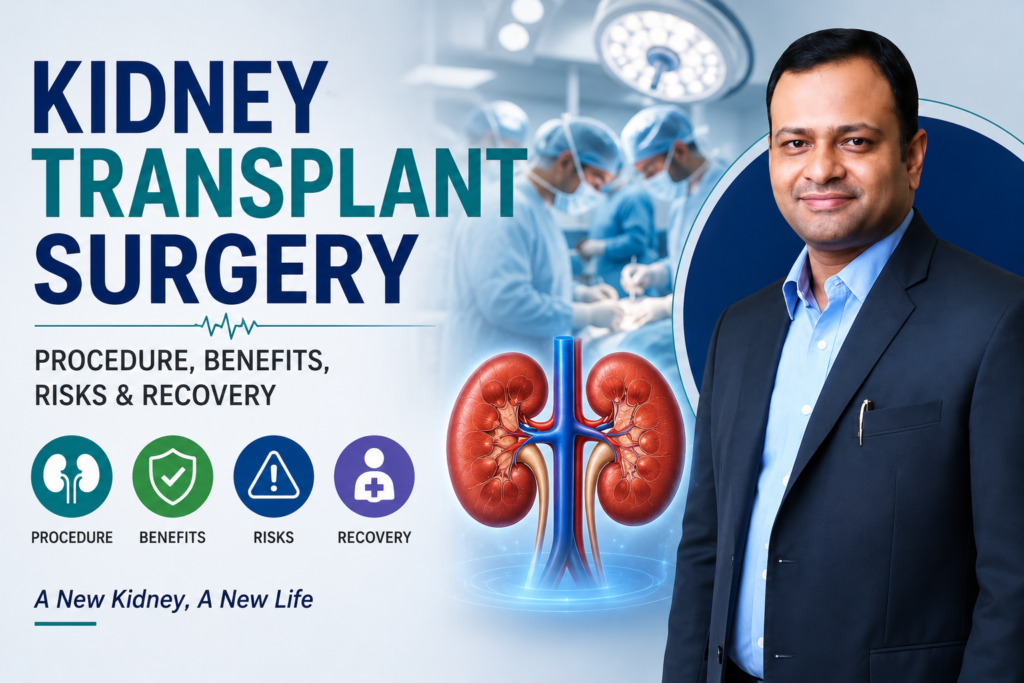
As a urologist and kidney transplant specialist, I often meet patients and families who feel overwhelmed after being told that their kidneys are no longer functioning properly. For many of these individuals, kidney transplant surgery offers hope for a healthier and more active future. While dialysis can help manage kidney failure, a kidney transplant is often considered the most effective long-term treatment for eligible patients. It can improve quality of life, increase life expectancy, and allow patients to return to many of the activities they enjoy.
Kidney disease is a growing health concern worldwide, affecting millions of people every year. When kidney function declines significantly, the body is unable to remove waste products and excess fluids efficiently. Over time, this can lead to serious health complications that impact nearly every organ system. Fortunately, advances in modern medicine have made kidney transplantation a highly successful treatment option for patients with advanced kidney disease.
In this comprehensive guide, I will explain what kidney transplantation involves, who may need it, how the procedure is performed, the benefits and risks involved, and what patients can expect during recovery.
What Is Kidney Transplant Surgery?

Kidney transplant surgery is a procedure in which a healthy kidney from a living or deceased donor is transplanted into a patient whose kidneys have lost most or all of their function. The transplanted kidney takes over the essential functions of filtering waste products, balancing electrolytes, regulating blood pressure, and maintaining the body’s fluid balance.
Unlike dialysis, which only partially replaces kidney function, a successful transplant can restore near-normal kidney function. This allows many patients to live healthier, more independent lives without the frequent hospital visits associated with dialysis treatments.
A kidney transplant does not simply replace a damaged organ; it provides patients with a chance to regain their health and improve their overall well-being. With appropriate medical care and lifelong follow-up, transplanted kidneys can function successfully for many years.
Understanding Kidney Disease and Kidney Failure

To understand why transplantation is necessary, it is important to understand how kidney disease develops. The kidneys are two bean-shaped organs located on either side of the spine. They perform several critical functions that help keep the body healthy.
Healthy kidneys remove toxins from the bloodstream, regulate fluid levels, maintain electrolyte balance, and support blood pressure control. When these functions become impaired, chronic kidney disease develops. Over time, kidney function may continue to decline until the kidneys can no longer adequately support the body’s needs.
Many patients suffering from kidney disease and kidney failure may not experience symptoms during the early stages. As the disease progresses, symptoms such as fatigue, swelling of the legs, nausea, shortness of breath, poor appetite, and difficulty concentrating often become more noticeable.
Advanced kidney disease and kidney failure can eventually require dialysis or transplantation to sustain life. While dialysis remains an important treatment option, transplantation is generally associated with better long-term outcomes and improved quality of life for suitable candidates.
Robotic-Assisted Kidney Transplantation
Advancements in surgical technology have transformed the way kidney transplant procedures are performed. Robotic-assisted kidney transplantation (RAKT) is an innovative, minimally invasive technique that utilizes advanced robotic surgical systems to enhance precision during transplantation.
During robotic-assisted kidney transplantation, the surgeon controls robotic instruments through a sophisticated console, allowing highly accurate movements and improved visualization of critical anatomical structures. This approach is particularly beneficial in complex cases and offers several advantages over conventional open surgery.
Benefits of Kidney Transplantation with Robotic-Assisted Surgery
- Enhanced surgical precision with advanced 3D visualization
- Smaller incisions and minimal tissue trauma
- Less postoperative pain and discomfort
- Reduced risk of wound-related complications
- Faster recovery and shorter hospital stay
- Earlier return to daily activities
- Excellent outcomes, even in complex cases and patients with higher BMI
- Improved quality of life and long-term kidney function
This is concise, medically accurate, and fits well within a patient-focused blog.
Common Causes of Kidney Disease
Understanding the causes of kidney disease is essential for both prevention and early intervention. Kidney damage can occur gradually over several years and often results from chronic medical conditions that affect blood vessels and kidney tissues.
Some of the most common causes include:
- Diabetes mellitus
- High blood pressure
- Polycystic kidney disease
- Chronic glomerulonephritis
- Autoimmune disorders
- Recurrent kidney infections
- Long-term urinary tract obstruction
Among these conditions, diabetes and hypertension remain the leading contributors to kidney failure worldwide. Poorly controlled blood sugar and elevated blood pressure can damage the delicate filtering structures within the kidneys, eventually leading to permanent loss of function.
Recognizing the causes of kidney disease early allows healthcare providers to implement treatment strategies that may slow disease progression and reduce the likelihood of kidney failure.
Who Is a Candidate for Kidney Transplantation?
Not every patient with kidney disease requires a transplant. However, patients diagnosed with end-stage renal disease or severe chronic kidney disease are often evaluated for transplantation. The goal is to determine whether a transplant offers a better long-term outcome compared to continued dialysis.
Before transplantation, patients undergo a detailed medical evaluation. This process helps ensure that the patient is physically and emotionally prepared for surgery and capable of managing the lifelong responsibilities associated with transplant care.
The evaluation typically includes:
- Blood tests
- Urine analysis
- Cardiac assessments
- Imaging studies
- Infection screening
- Tissue matching tests
- Psychological evaluation
This comprehensive assessment helps identify any potential risks and improves the likelihood of a successful transplant outcome.

Types of Kidney Donors
Kidneys used for transplantation generally come from either living donors or deceased donors.
A living donor may be a family member, spouse, friend, or other compatible individual who chooses to donate one of their kidneys. Living donor transplants often offer excellent outcomes because the surgery can be planned in advance and the donated kidney usually begins functioning immediately.
A deceased donor kidney becomes available after an individual has consented to organ donation or their family has provided authorization. These donations play a vital role in helping thousands of patients receive life-saving transplants every year.
Regardless of the donor source, careful compatibility testing is performed to reduce the risk of rejection and improve transplant success rates.
How Kidney Transplant Surgery Is Performed
Kidney transplant surgery is performed under general anesthesia and usually takes several hours to complete. During the procedure, the donor kidney is placed in the lower abdomen rather than replacing the patient’s existing kidneys.
The surgeon carefully connects the donor kidney’s blood vessels to the recipient’s blood vessels, allowing blood to flow through the new organ. The ureter, which carries urine from the kidney, is then connected to the bladder.
The procedure generally involves the following steps:
- Administration of anesthesia
- Preparation of the surgical site
- Placement of the donor kidney
- Connection of blood vessels
- Attachment of the ureter
- Assessment of kidney function
Once blood flow is restored, the transplanted kidney often begins producing urine immediately. After surgery, patients are closely monitored to ensure the kidney is functioning properly and to identify any early complications.
Benefits of Kidney Transplantation
Kidney transplantation offers numerous advantages compared to long-term dialysis. For many patients, transplantation represents the most effective form of kidney disease treatment available today.
Some of the key benefits include:
- Improved quality of life
- Increased energy levels
- Better long-term survival rates
- Greater independence from medical treatments
- Fewer dietary restrictions
- Improved cardiovascular health
- Enhanced emotional well-being
Many patients are able to return to work, travel, exercise, and participate in family activities after successful transplantation. These improvements contribute significantly to overall physical and mental health.
Modern kidney disease treatment approaches increasingly prioritize transplantation because of its ability to restore normal daily functioning and improve patient outcomes.

Risks and Potential Complications
Although kidney transplantation has high success rates, it remains a major surgical procedure and carries certain risks. Patients should understand these risks before deciding to proceed with surgery.
Possible complications include:
- Bleeding
- Infection
- Blood clots
- Delayed kidney function
- Urinary complications
- Organ rejection
- Medication-related side effects
One of the most significant concerns is rejection, which occurs when the body’s immune system attacks the transplanted kidney. Fortunately, modern immunosuppressive medications have dramatically reduced rejection rates and improved long-term success.
Patients must take prescribed anti-rejection medications for life. Regular monitoring allows healthcare providers to detect and manage complications before they become serious.
Recovery After Kidney Transplant
Recovery following transplantation is a gradual process that requires close collaboration between patients and their healthcare team. Most patients remain hospitalized for several days after surgery while kidney function and overall health are carefully monitored.
During the first few weeks, patients may experience fatigue and mild discomfort as their bodies adjust to the new kidney. Regular blood tests help assess kidney performance and ensure that medication levels remain appropriate.
Important aspects of recovery include:
- Taking medications exactly as prescribed
- Attending follow-up appointments
- Maintaining proper hydration
- Following dietary recommendations
- Avoiding smoking and excessive alcohol use
- Gradually increasing physical activity
Most patients are able to resume many normal activities within several weeks, although complete recovery may take several months.

Long-Term Care After a Kidney Transplant
Receiving a transplant is not the end of the treatment journey. Long-term success depends on consistent medical follow-up and healthy lifestyle habits. Patients must remain committed to protecting the transplanted kidney and preventing complications.
A successful kidney disease transplant requires ongoing monitoring of kidney function, blood pressure, and medication levels. Routine laboratory testing helps identify potential problems before they become serious.
Healthy lifestyle habits such as maintaining a balanced diet, exercising regularly, managing stress, and attending scheduled medical visits contribute significantly to long-term transplant success.
For many individuals, a successful kidney disease transplant provides decades of improved health and allows them to enjoy a more active and fulfilling life.

Expert Care by Dr. Gopichand M
As a urologist and transplant specialist, I understand that every patient faces unique challenges when dealing with kidney disease. My approach focuses on providing personalized care, advanced treatment options, and comprehensive support throughout the transplant journey.
From initial evaluation and donor matching to surgery and long-term follow-up care, every aspect of treatment is carefully tailored to meet the patient’s needs. Through modern surgical techniques, evidence-based practices, and compassionate care, our goal is to help patients achieve the best possible outcomes and regain confidence in their health.
Conclusion
Kidney transplant surgery remains the gold standard treatment for eligible patients with advanced kidney failure. By replacing a non-functioning kidney with a healthy donor organ, transplantation offers improved survival, greater independence, and a significantly better quality of life. While the procedure involves careful evaluation, surgery, and lifelong follow-up care, the benefits often far outweigh the challenges for suitable candidates.
If you or a loved one is living with chronic kidney disease, seeking expert medical guidance at the right time can make a meaningful difference. Early evaluation and appropriate treatment planning can help patients explore their options and take important steps toward a healthier future.
How long does a transplanted kidney typically last?
The lifespan of a transplanted kidney varies depending on factors such as donor type, overall health, medication adherence, and follow-up care. Many transplanted kidneys function successfully for 10–20 years or longer.
Can a person live a normal life after a kidney transplant?
Yes. Most patients can return to work, travel, exercise, and enjoy a normal lifestyle after recovery, provided they follow medical advice and take prescribed medications regularly.
Is age a barrier to kidney transplantation?
Not necessarily. Eligibility depends more on a patient’s overall health and medical condition than age alone. Both younger and older adults may be considered suitable candidates.
How often are follow-up visits required after transplantation?
Follow-up appointments are more frequent during the first few months after surgery and gradually become less frequent as the patient stabilizes. Lifelong monitoring remains essential.