

UTI Infection Treatment – Causes, Symptoms & Prevention Guide
As a urologist, I meet many patients who struggle with repeated urinary infections, severe burning while urinating, or sudden discomfort in the lower abdomen. Most of them feel confused, worried, and unsure about when to seek medical help.
My goal is to explain urinary infections in simple words, what causes them, what symptoms to look out for, and how you can treat and prevent them effectively. Whether you are experiencing your first urinary bladder infection or dealing with frequent UTI causes, this blog will help you understand your condition better and guide you toward the right care.
With timely diagnosis and proper treatment, UTIs can be completely cured. So let’s go step by step and understand how you can protect your urinary health.
What is UTI infection treatment?
UTI infection treatment involves antibiotics, pain relief, and increased fluid intake to flush bacteria out of the urinary system. Early treatment prevents kidney infection and helps symptoms improve within 1-2 days. Consult a urologist if symptoms worsen.
What Is a Urinary Tract Infection (UTI)?
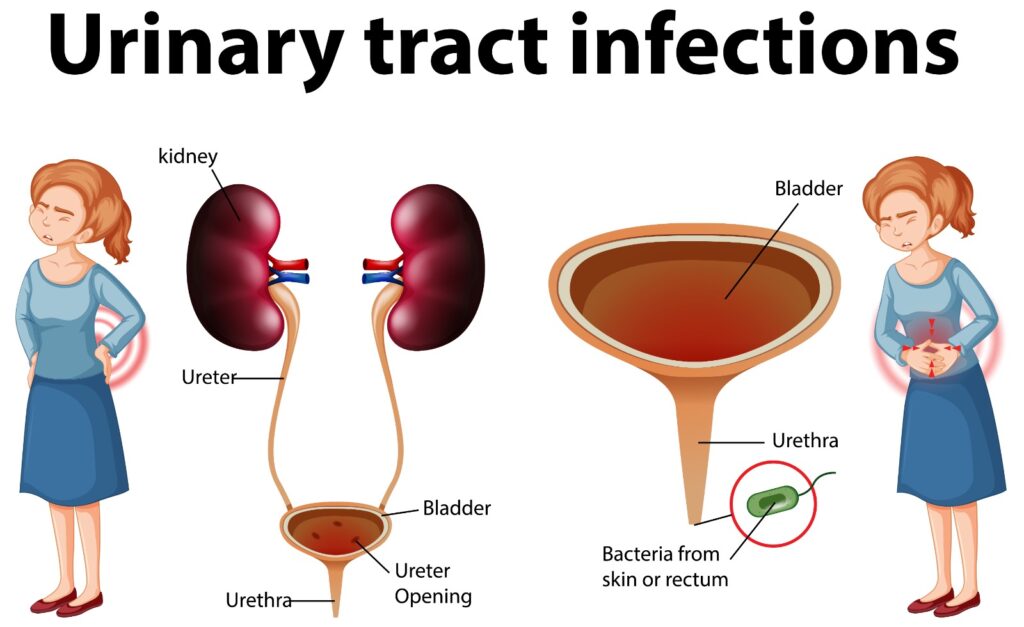
A common medical condition known as a urinary tract infection (UTI) is brought on by bacteria getting into the kidneys, ureters, bladder, and urethra. Due to their shorter urethras, women are particularly vulnerable to UTIs, which affect many people at least once in their lifetime.
Urinary bladder infections, which are caused by bacteria growing inside the bladder, are the most common type of UTI, though they can affect any part of the urinary system. Early UTI infection treatment is crucial to prevent complications like kidney infection because UTIs can worsen if left untreated.
Types of Urinary Tract Infections
Understanding the types of urinary tract infections helps in choosing the right uti infection treatment. The three major types include:
- Urethritis – Infection of the urethra.
- Cystitis – A urinary bladder infection, the most common type.
- Pyelonephritis – Infection that reaches the kidneys, which requires urgent medical care.
These types of urinary tract infections help doctors identify what symptoms to look for and what treatment plan works best. Since a urinary bladder infection is common, quick diagnosis ensures early relief.
Common Causes of Urinary Tract Infections
There are several uti infection causes, and understanding them helps people reduce their risk. The most frequent cause is bacteria from the bowel entering the urinary tract. Poor hydration, holding urine for long periods, and unhygienic washroom habits are common triggers.
Other common causes of urinary tract infections include weakened immunity, dehydration, hormonal changes in women, and unprotected sexual contact. Recognizing these uti infection causes early can reduce the chance of developing a severe urinary bladder infection.
Consult an experienced urologist in Hyderabad for UTI infection treatment.

Frequent UTI Causes You Should Know
Some individuals get repeated infections due to frequent UTI causes that are often overlooked. These include:
- Not drinking enough water
- Using perfumed hygiene products
- Uncontrolled diabetes
- Incomplete bladder emptying
These recurrent UTI causes can irritate or weaken the bladder, making people prone to urinary bladder infection again and again. Identifying these frequent UTI causes helps in preventing recurrence.
Symptoms of a UTI You Should Not Ignore
Early detection is key in preventing complications. Some of the most important symptoms of bladder infection include:
- Burning or pain while urinating
- Strong-smelling or cloudy urine
- Frequent urge to urinate
- Lower abdominal pressure or discomfort
These symptoms of bladder infection often confirm the presence of a UTI. When symptoms worsen, such as fever, chills, or back pain, it may indicate that a simple urinary bladder infection has spread to the kidneys. Taking uti symptoms and treatment seriously helps avoid long-term damage.
How UTIs Are Diagnosed
Doctors diagnose UTIs through:
- Urine test (urinalysis)
- Urine culture
- Ultrasound for frequent or severe infections
These tests not only confirm a urinary bladder infection but also identify the exact bacteria, which helps guide the best uti infection treatment plan.
UTI Infection Treatment Options
Effective UTI treatment usually includes a short course of antibiotics prescribed by a doctor. Drinking plenty of water, avoiding caffeine, and resting can speed up recovery. Some cases may require longer treatment depending on the infection type.
If the infection reaches the kidneys, more advanced uti infection treatment, such as IV antibiotics, may be needed. Mild cases improve within a few days, while complicated cases may take longer.
In all cases, early urinary tract infection symptoms and treatment decisions are crucial to prevent further health issues.
UTI Bladder Infection Treatment Explained
A uti bladder infection treatment plan usually includes:
- Oral antibiotics
- Pain relievers
- Increasing fluid intake
- Avoiding irritants like alcohol and spicy foods
Doctors recommend completing the full antibiotic course to prevent recurrence. Many patients find that timely uti bladder infection treatment stops symptoms quickly and restores comfort. This is why a proper bladder infection treatment plan is essential for anyone showing symptoms of bladder infection.
Urinary Tract Prevention Tips
Following simple urinary tract prevention tips can significantly reduce your risk:
- Stay hydrated
- Maintain good hygiene
- Urinate after intercourse
- Avoid holding urine
- Wear breathable cotton underwear
These urinary tract prevention habits help maintain a healthy urinary system and reduce the need for uti infection treatment. People with frequent UTI causes should follow these steps regularly to stay protected. Consistent urinary tract prevention is especially helpful for women prone to repeated urinary bladder infections.
When to See a Doctor
You should seek medical help immediately if you experience:
- High fever
- Vomiting
- Severe flank or back pain
- Blood in urine
- Recurring symptoms despite treatment
When uti symptoms and treatment do not improve within 48 hours, it may signal a more serious infection like kidney involvement. A doctor will guide you with appropriate uti infection treatment and prevent further complications.
Final Thoughts
A UTI can be uncomfortable, but the right uti infection treatment ensures fast and complete recovery. Understanding uti infection causes, identifying symptoms of bladder infection early, and following urinary tract prevention tips can keep infections away.
If you have UTI symptoms or repeated bladder infections, visit Dr. M Gopichand for advanced UTI treatment in Hyderabad. Early diagnosis ensures faster recovery.
The fastest UTI infection treatment is taking the right antibiotics prescribed by a doctor after a urine test. Drinking plenty of water, avoiding caffeine, and resting can help speed up recovery. Do not self-medicate, as the wrong antibiotic may worsen the infection.
Common symptoms of bladder infection include burning while urinating, frequent urge to pass urine, strong-smelling urine, and discomfort in the lower abdomen. If fever, back pain, or chills appear, the infection may be spreading to the kidneys.
A urinary bladder infection usually occurs when bacteria from the bowel enter the urinary tract. Poor hydration, poor washroom hygiene, and holding urine for long periods are common uti infection causes.
UTIs are diagnosed through a urine test, urine culture, and sometimes an ultrasound. These tests help your doctor identify the infection and choose the right uti infection treatment.
Most people start feeling better within 24-48 hours after starting antibiotics. However, it’s important to complete the full course of uti symptoms and treatment even if symptoms disappear.