
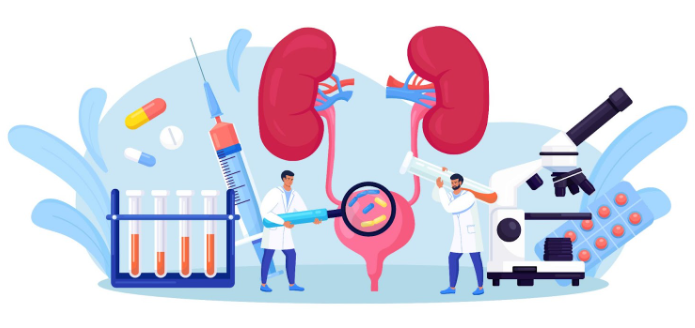
Comprehensive Guide to Male Reproductive Cancers and Treatments
As a practicing doctor, I often meet men who are deeply concerned about their reproductive health, yet unsure about what to watch for or how to take preventive action. Male reproductive cancers are among the most common health threats men face, especially as they age. My goal with this guide is to help you understand these conditions, recognize early warning signs, and know when to seek medical care. With timely diagnosis and treatment, outcomes can be significantly improved.
Understanding Male Reproductive Cancers
When we talk about male reproductive cancers, we refer to malignancies that affect organs such as the prostate, bladder, testes, and penis. Among these, prostate and bladder cancers are particularly common and pose serious health challenges.
The risk of developing these cancers rises with age, but genetics, lifestyle habits, and environmental exposures also play a strong role. Unfortunately, many men dismiss early symptoms or simply aren’t aware of them. That is why I always encourage my patients to prioritize routine screenings and stay alert to subtle changes in their bodies. Awareness is your first line of defence.
Understanding Prostate Cancer: Key Insights Every Man Should Know
The prostate is a small but vital gland responsible for producing seminal fluid. Cancer in this gland is one of the most frequently diagnosed in men, particularly after the age of 50. Some forms remain slow-growing, while others are aggressive and can spread rapidly.
As a doctor, I have seen how early detection makes a remarkable difference. Men who undergo regular checkups and PSA testing often identify problems at a stage when they are much easier to treat.
Symptoms of Prostate Cancer in Males
The symptoms of prostate cancer in males can be subtle and are often mistaken for natural aging or benign prostate conditions. However, they should never be ignored. Common signs include:
Difficulty starting urination
Weak or interrupted urine flow
Frequent night-time urination
Blood in urine or semen
Persistent pelvic discomfort
In more advanced stages, symptoms may progress to bone pain, fatigue, or weight loss. If you or someone you know experiences these symptoms in males, I strongly recommend consulting a best urologist without delay.
Prostate Cancer Diagnosis
A prostate cancer diagnosis involves several steps, beginning with a digital rectal exam (DRE) and PSA blood test. If results raise concern, imaging tests such as MRI or ultrasound may follow.
Ultimately, the most reliable method for confirming a prostate cancer is a biopsy, where prostate tissue is examined under a microscope. Once confirmed, staging helps determine whether the disease is confined to the gland or has spread beyond it. This staging guides the treatment plan, which may include surveillance, surgery, radiation, or hormone therapy.
Urinary Bladder Cancer: An Overview
Bladder cancer is another condition I frequently encounter in clinical practice. It develops in the lining of the bladder and is more common in men than women. Smoking remains the leading risk factor, alongside exposure to industrial chemicals and certain chronic bladder conditions.
While some cases are superficial and treatable, others are more aggressive. This makes vigilance and early evaluation essential.

Urinary Bladder Cancer Symptoms
The most common warning sign is blood in the urine, but there are other important indicators as well. Urinary bladder cancer symptoms include:
- Painful or frequent urination
- Sudden urgency to urinate
- Pelvic pain
- Discolored urine due to blood
When ignored, the disease may progress to cause back pain or even urinary obstruction. If you notice these urinary bladder cancer symptoms, please take them seriously and seek medical evaluation promptly.
Bladder Cancer Diagnosis
Confirming a bladder cancer diagnosis typically starts with a urine test to detect abnormal cells. A cystoscopy, where a small camera is inserted into the bladder, allows me or another specialist to directly view the lining of the bladder.
If any suspicious areas are identified, tissue samples are collected for biopsy. Imaging techniques such as CT or MRI are often used to determine the extent of disease. A bladder cancer diagnosis not only confirms cancer but also categorizes its stage and grade, both of which are vital in planning treatment.
Urinary Bladder Cancer Treatment
The approach to urinary bladder cancer treatment depends on whether the cancer is superficial or invasive. In early cases, we often perform a TURBT procedure (transurethral resection of bladder tumor) to remove abnormal growths. Intravesical therapy, in which medicine is placed directly into the bladder, may follow to reduce recurrence.
For advanced stages, surgery may be necessary, sometimes involving partial or complete bladder removal. Chemotherapy, radiation, and immunotherapy also play critical roles. With modern advances in precision medicine, urinary bladder cancer treatment has become far more effective, offering patients better outcomes and quality of life.
Lifestyle and Prevention Strategies

The approach to urinary bladder cancer treatment depends on whether the cancer is superficial or invasive. In early cases, we often perform a TURBT procedure (transurethral resection of bladder tumor) to remove abnormal growths. Intravesical therapy, in which medicine is placed directly into the bladder, may follow to reduce recurrence.
For advanced stages, surgery may be necessary, sometimes involving partial or complete bladder removal. Chemotherapy, radiation, and immunotherapy also play critical roles. With modern advances in precision medicine, urinary bladder cancer treatment has become far more effective, offering patients better outcomes and quality of life.
- Quit smoking: This is the single most effective way to reduce bladder cancer risk.
- Adopt a balanced diet: Fresh fruits, vegetables, and whole grains support your body’s defenses.
- Stay active: Regular exercise boosts immunity and overall health.
- Schedule screenings: Especially crucial for men over 50 or those with a family history of cancer.
These measures not only reduce cancer risk but also contribute to better overall health and vitality.
Advances in Treatment and Research
In my years of practice, I’ve witnessed remarkable advancements in how we diagnose and treat these cancers. Robotic urology surgery allows us to operate with greater precision and less recovery time. Radiation therapy has also evolved to target tumors more effectively while sparing healthy tissue.
For bladder cancer, immunotherapy has emerged as a groundbreaking option, especially in advanced cases. Genetic testing and biomarker research are shaping the future of personalized medicine, allowing us to tailor treatment to the unique needs of each patient.
Psychological and Emotional Support
One aspect often overlooked is the emotional strain of a cancer diagnosis. I’ve seen patients struggle with anxiety, depression, and uncertainty. I always emphasize that treatment is not only about curing disease but also about supporting mental health.
Counseling, family support, and community groups provide a safety net during this difficult journey. I encourage my patients to lean on these resources as they navigate treatment and recovery.

Conclusion
As a doctor, my message to you is simple: never ignore changes in your body. Prostate and bladder cancers are serious, but when detected early, they are highly treatable. Regular screenings, prompt medical attention, and lifestyle modifications can make a profound difference in outcomes.
If you are concerned about your male reproductive cancers or experiencing symptoms, consult with the best urologist in Hyderabad. With my years of experience and expertise in urology, I am dedicated to providing the highest standard of care tailored to your needs.
Don’t wait take control of your health today. Consult with me now for a personalized and comprehensive treatment plan.